

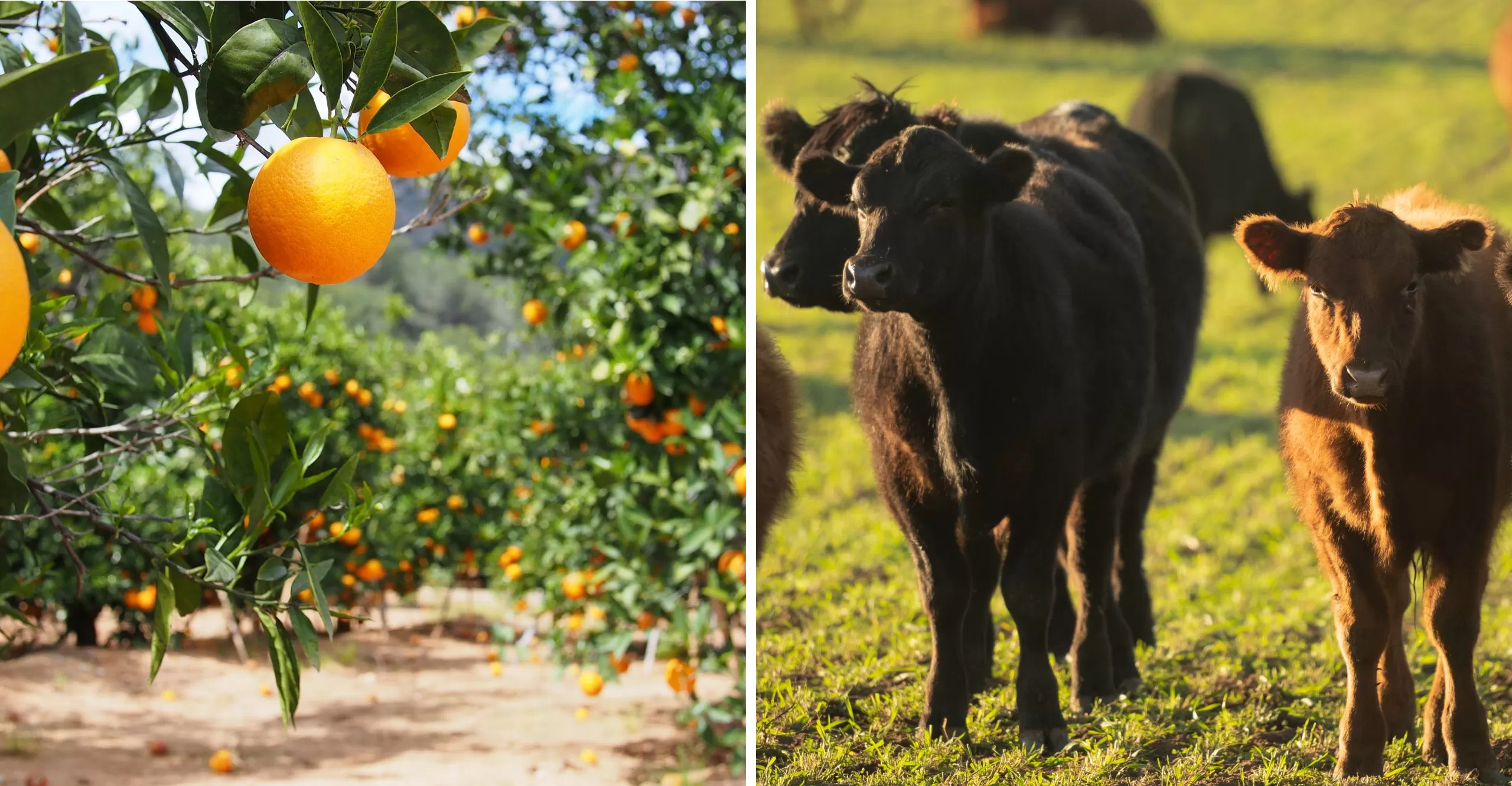
Across Australia, agribusinesses are facing an increasingly competitive labour market.
Skilled candidates are in short supply, workforce needs are shifting and businesses are being asked to do more with less. While these pressures are felt across the entire industry, recruitment trends in horticulture and livestock highlight how different workforce challenges can present themselves depending on the sector.
Horticulture recruitment – seasonal and specialist demand
Horticulture is one of the most labour-intensive parts of the agricultural supply chain, and recruitment in this sector is strongly shaped by seasonality.
Key trends include
- High reliance on temporary and casual staff – Harvesting, packing and processing roles often peak seasonally, requiring a large workforce for a short time.
- Shortage of skilled technical staff – Roles such as agronomists, compliance officers, irrigation specialists and nursery managers remain difficult to fill, particularly in regional and remote areas.
- Increased demand for international talent – With domestic candidates limited, horticulture employers are increasingly turning to skilled migration and international recruitment solutions.
- Technology adoption – As automation and agritech tools expand across the sector, new skillsets are needed – blending traditional growing knowledge with data and technology expertise.
For candidates, this means opportunities not just for on-farm roles, but also in supporting areas such as logistics, research, marketing and horticulture technology.
Livestock recruitment – long-term stability and niche expertise
Unlike horticulture, livestock industries such as beef and poultry often require more stable, year-round staffing.
Key trends include:
- Focus on permanent roles – From feedlot managers to veterinarians and maintenance staff, agribusinesses need employees who can provide consistent oversight and specialist care.
- Meat and livestock recruitment challenges – Abattoirs, feedlots and export operations face high turnover and difficulty sourcing skilled workers, making staffing one of the most pressing issues for the sector.
- Workforce ageing – Many regional operations are dealing with an ageing workforce, creating a need to attract younger candidates into the industry.
- Specialist skills in demand – Roles in genetics, nutrition, animal health and supply chain management are growing in importance, but difficult to source locally.
For candidates, livestock industries offer strong pathways into long-term careers with opportunities for leadership, technical expertise and international market exposure.
Common challenges across both sectors
Despite their differences, horticulture and livestock share some recruitment themes.
- Attracting candidates to regional areas remains the biggest hurdle, regardless of role.
- Competition for skilled labour is high, driving up wages and increasing the importance of cultural fit.
- Retention strategies are essential – whether through clear career pathways, flexible rosters or workforce housing solutions.
How Agri Talent supports agriculture across all sectors
At Agri Talent, we specialise in ag recruitment across the full supply chain – from cotton farm recruitment and horticulture operations to feedlots and meat processing facilities. Our approach goes beyond filling vacancies. We draw on deep industry connections to source top candidates – often before jobs are even advertised – and our skilled migration experts help agribusinesses fill specialist and hard-to-source roles through global recruitment strategies.
Whether you’re a grower in need of harvest staff, a feedlot seeking a livestock manager, or a candidate exploring ag jobs in Australia, our role is to help connect the right people with the right opportunities.
Supporting the future of horticulture and livestock
The future of Australian agriculture depends on effective workforce strategies. For horticulture, this means managing seasonal peaks and building a pipeline of technical expertise. For livestock, it’s about attracting, training and retaining long-term specialists who can drive efficiency and innovation. By understanding these sector-specific trends and working with an agricultural recruitment agency that truly knows the industry, agribusinesses can position themselves for resilience and growth.