

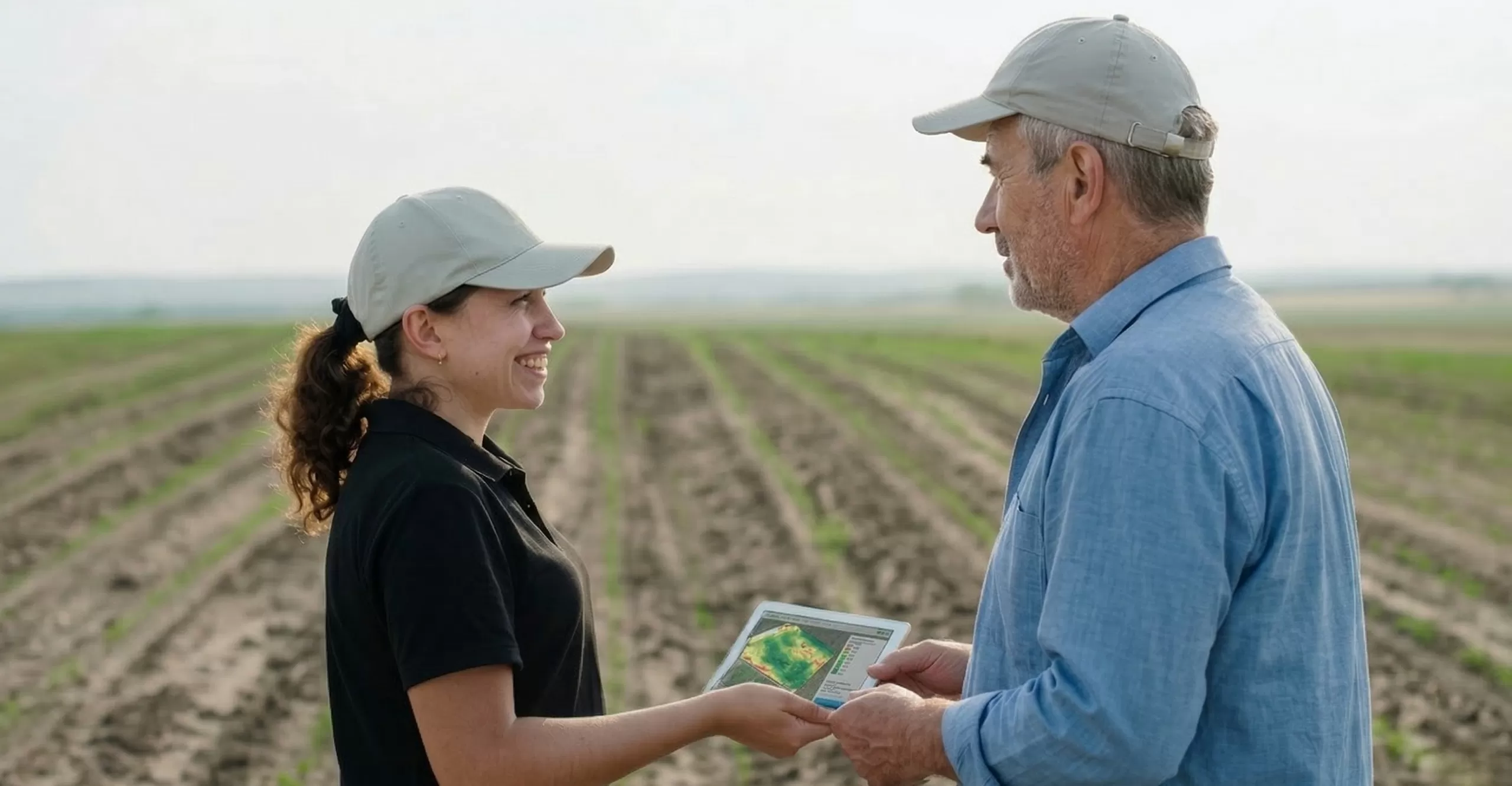
Australian agriculture is evolving rapidly.
Advances in technology, increasing sustainability expectations and more complex global supply chains are reshaping how agribusinesses operate. While technical knowledge remains important, today’s agricultural professionals need a broader skillset to succeed in a changing industry.
Whether you are early in your career or looking to step into leadership roles, developing the right capabilities can significantly strengthen your long-term prospects in agribusiness.
Here are some of the essential skills every agribusiness professional should focus on building.
Industry knowledge and technical capability
A strong foundation in agricultural systems remains essential for any professional working in the sector. This includes understanding production systems, seasonal cycles, environmental considerations and the operational challenges faced by growers and producers.
For many roles, this technical capability might include expertise in areas such as agronomy, livestock management, irrigation systems or agricultural technology. However, it also involves maintaining a broader awareness of how different parts of the industry interact – from production and processing through to supply chains and export markets.
Professionals who combine technical expertise with a wider understanding of the agricultural landscape are often better positioned to identify opportunities, solve problems and contribute to long-term business success.
Communication and relationship building
Agriculture is an industry built on strong relationships. Professionals regularly work with a wide range of stakeholders including producers, suppliers, technical specialists, regulators and customers across the supply chain.
The ability to communicate clearly and build trust with others is therefore a critical skill. This includes listening carefully, explaining technical information in a practical way and collaborating effectively with teams operating in different areas of the business.
Strong communication skills also support leadership development, allowing professionals to guide teams, manage expectations and contribute to a positive workplace culture.
Adaptability and problem solving
Agriculture is influenced by factors that are often outside a business’s control – including weather conditions, market fluctuations and regulatory changes. As a result, professionals working in the sector must be able to adapt quickly and respond effectively to challenges as they arise.
Problem solving is a key part of this adaptability. Whether it involves adjusting production strategies, responding to operational issues or implementing new technologies, the ability to assess situations calmly and develop practical solutions is highly valued.
Professionals who demonstrate resilience and adaptability are often those who progress most quickly within agribusiness organisations.

Digital literacy and technology awareness
Technology is becoming an increasingly important part of modern agriculture. From precision farming tools and satellite data to automation and digital farm management platforms, technology is changing the way many agricultural businesses operate.
Agribusiness professionals do not necessarily need to become technology specialists, but they do need to be comfortable working with digital systems and understanding how technology can improve productivity and decision-making.
Those who actively develop their digital literacy and remain open to new tools and innovations will be well placed to contribute to the future of the industry.
Commercial awareness
Understanding the commercial drivers behind agricultural businesses is another important capability. This means recognising how operational decisions influence profitability, efficiency and long-term sustainability.
Commercial awareness includes knowledge of market conditions, cost management, pricing pressures and supply chain dynamics. Professionals who understand how their work contributes to the broader financial performance of a business can make more informed decisions and add greater value to their organisations.
As individuals progress into management or leadership roles, this commercial understanding becomes increasingly important.
Leadership and initiative
Leadership in agriculture is not limited to formal management roles. Professionals who take initiative, demonstrate accountability and support the development of others often become natural leaders within their organisations.
Developing leadership capability involves building confidence in decision-making, communicating clearly with teams and maintaining a strong sense of responsibility for outcomes. It also includes mentoring colleagues, contributing ideas and supporting continuous improvement within the business.
As the agricultural workforce evolves, organisations are placing greater value on professionals who demonstrate leadership potential and a willingness to take ownership of their work.

Building a career for the future of agriculture
The agricultural sector continues to offer diverse and rewarding career opportunities across production, technology, supply chain and agribusiness management. However, the skills required to succeed are evolving alongside the industry itself.
By developing a combination of technical knowledge, communication capability, adaptability and commercial awareness, professionals can position themselves for long-term success in agriculture.
At Agri Talent, we work closely with agribusinesses across Australia to connect skilled professionals with roles where they can grow and make a meaningful impact. If you are looking to take the next step in your agricultural career, exploring new opportunities could be the start of an exciting journey in this dynamic and essential industry.