

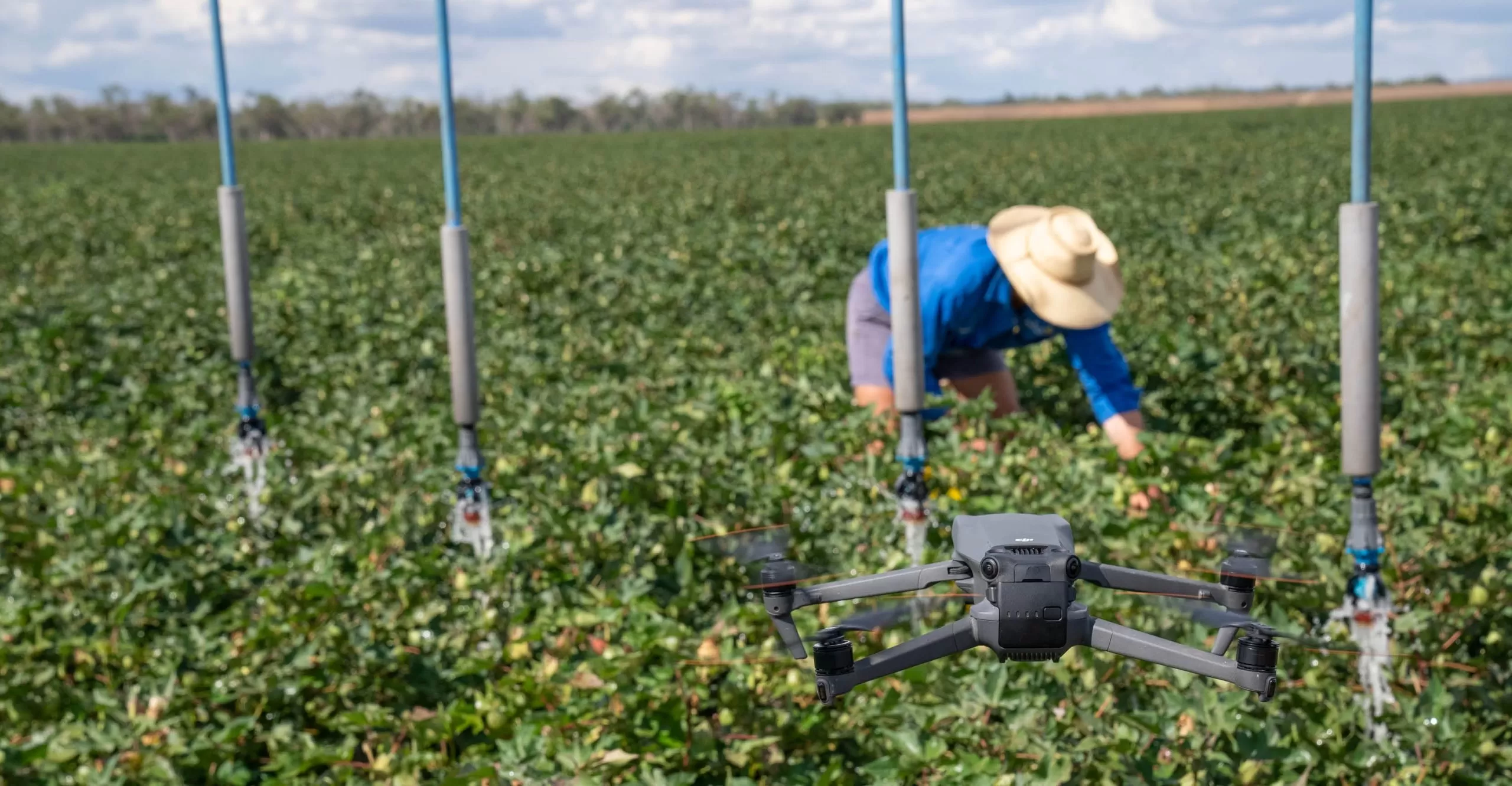
Agriculture is changing faster than ever, driven by new technologies, data-led decision-making and the increasing need for efficient, sustainable production.
For employees, this shift brings enormous opportunity. Whether you work on-farm, in processing, agronomy, livestock, supply chain or agtech, developing the right technical and digital skills can set you apart and open doors to long-term career growth.
You don’t need to be an expert in every new tool or system to stay competitive. What matters is being adaptable, willing to learn and confident working with emerging technologies that are now central to modern agriculture.
Here are the capabilities that will help you stay ahead.
Confidence using precision agriculture tools
Precision agriculture is now widely used across broadacre farming, horticulture, livestock operations, and employees who feel comfortable working with digital tools have a clear advantage.
This includes:
- GPS-guided machinery
- Auto-steer systems
- Yield mapping
- Remote sensing tools
- Variable-rate technology.
Understanding these systems helps you operate equipment safely and efficiently, while improving productivity and environmental outcomes.
Data literacy – the skill that underpins modern decision-making
Agriculture is becoming increasingly data-driven. Farmers and agribusinesses collect information on everything from soil moisture and animal performance to machinery efficiency and weather conditions.
Developing basic data literacy means being able to:
- Read and interpret data dashboards or reports
- Recognise trends and anomalies
- Use data to support practical decision-making.
You don’t need advanced analytics skills — just the ability to work confidently with the information available.
Familiarity with farm management software
Digital platforms are now central to managing operations, safety and compliance. Understanding how to use these tools makes you more efficient and more valuable to employers.
Examples include:
- Farm and livestock management systems
- Irrigation scheduling platforms
- Compliance and safety reporting tools
- Digital job or task management apps.
These systems save time, improve accuracy and reduce paperwork, and employers appreciate candidates who are already comfortable using them.
Ability to operate and troubleshoot modern machinery
Machinery today is more sophisticated than ever. Tractors, harvesters, sprayers and processing equipment rely heavily on sensors, automation and digital control systems.
Being able to run pre-start checks, understand in-cab technology, as well as identify and report on equipment issues, all help with reducing downtime and keeping operations running smoothly. This is particularly valuable during peak seasons when delays can be costly.
Understanding of sustainability and environmental technology
Sustainability is now a major driver of innovation. New technologies are helping businesses improve soil health, reduce water use, cut emissions and monitor environmental performance.
Skills that are increasingly important include:
- Using digital irrigation tools and moisture probes
- Understanding carbon reporting tools
- Working with regenerative practices supported by technology
- Monitoring inputs and outputs through digital platforms.
Employees who understand the link between technology and sustainability are well positioned for future-focused roles.
Communication and problem-solving in tech-enabled environments
Technical proficiency is important, but so is the ability to use technology effectively within a team. Agricultural workplaces rely on people who can communicate clearly about issues, follow digital workflows and troubleshoot when needed.
Strong candidates demonstrate:
- Confidence reporting issues through apps or platforms
- Ability to follow digital instructions or maps
- Willingness to learn new systems as they are introduced
- Practical problem-solving when systems or tools aren’t behaving as expected.
Employers value individuals who help teams adapt to new technologies rather than resist them.
Openness to continuous learning
Perhaps the most important skill is the mindset to keep learning. Technology in agriculture will continue to evolve rapidly, and the people who embrace change will have the greatest long-term opportunities.
This includes:
- Being proactive in seeking out training
- Asking questions when learning new equipment
- Enrolling in short courses or micro-credentials
- Staying curious about new developments in the sector.
A willingness to upskill shows employers you’re invested in your career and adaptable to change.
Find your place in agriculture with Agri Talent
The future of agriculture is dynamic, innovative and increasingly digital. For candidates, this creates exciting opportunities to build in-demand skills and secure well-paid, long-term roles across the industry.
You don’t need every technical skill on day one – what matters most is your willingness to learn, adapt and grow. If you’re looking to advance your career in modern agriculture, the Agri Talent team is here to help. Get in touch for a confidential conversation about roles that match your skills and aspirations.